
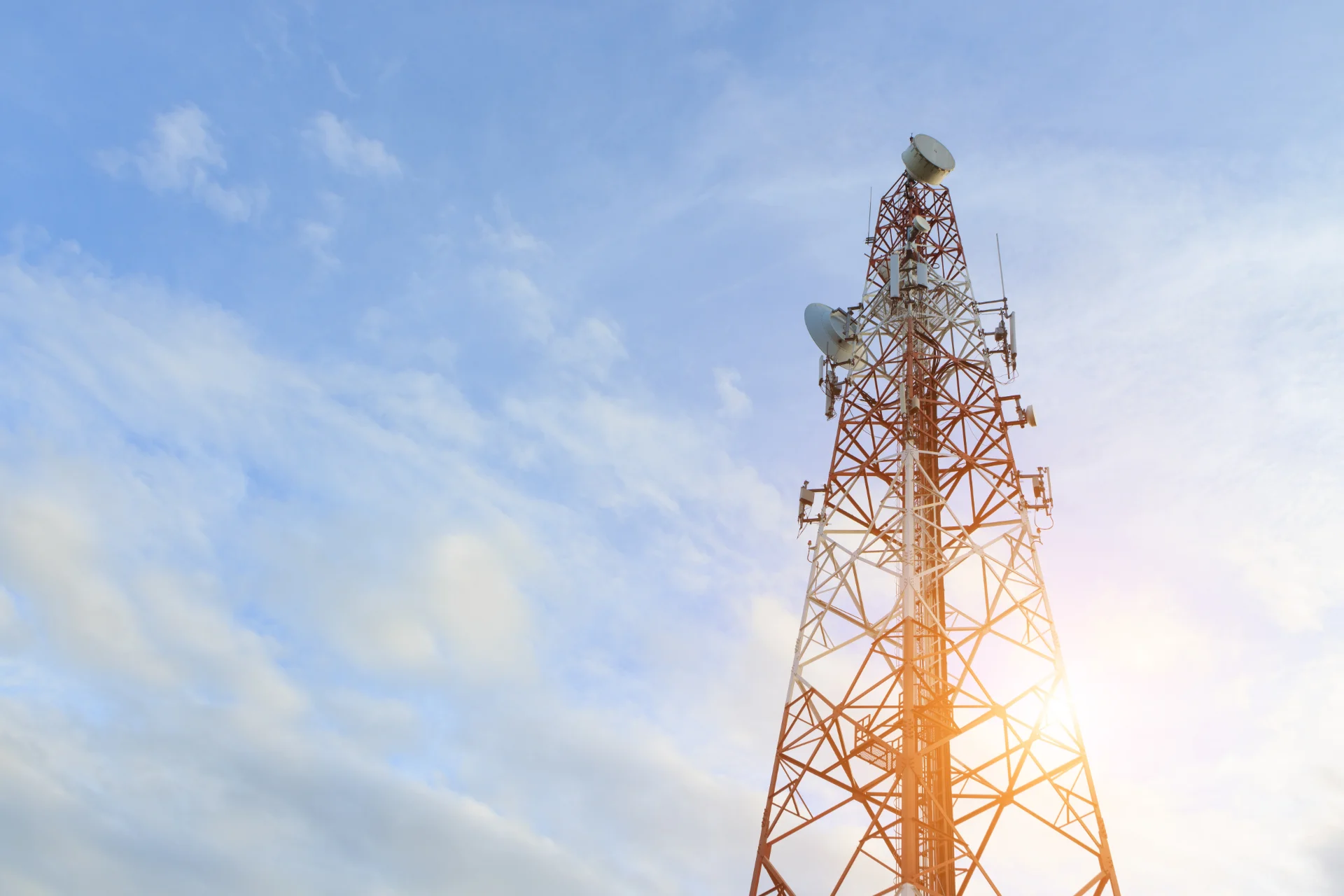
Thailand Telecommunications: Does the National Broadcasting and Telecommunications Commission align with the International Telecommunications Union Guidelines? Although the National Broadcasting and Telecommunications Commission (NBTC) (see https://fosrlaw.com/2021/thailands-telecommunications-business-act/) considers the guidelines of the International Telecommunication Union (ITU), it often aligns with these … Read More
Author Archives: Naytiwut Jamallsawat

Why Shareholders’ Agreements Must Follow the Law – and What Happens If They Don’t
Thailand Supreme Court Sets Limits on Shareholders’ Agreements: Key Legal Lessons from Decision 3402/2548 Laws create order—business brings complexity. In Thailand, shareholders often depend on private agreements to align commercial expectations and protect investments. But what occurs when these private … Read More

Artificial Intelligence, Machine Learning, and Big Data in Thailand: Legal and Regulatory Developments 2025
1. Introduction to AI in Thailand Thailand continues to develop as a regional leader in artificial intelligence (AI), machine learning (ML), and big data regulation, balancing innovation with legal protections. In 2025, the legal environment will be shaped by existing … Read More

AI Regulation in Thailand: What Foreign and Domestic Providers Should Know
Thailand is establishing a regulatory framework for artificial intelligence, adopting a rights-based and risk-focused approach that will soon influence both domestic and international AI service providers. Introduction Thailand is developing formal regulations for artificial intelligence (AI) through a novel legal … Read More

Thailand’s Data Center Growth: Energy Supply & Nuclear Prospects
Thailand is experiencing a significant surge in data center development, driven by the rapid expansion of artificial intelligence (AI) applications. This expansion presents both opportunities and challenges, particularly in terms of energy needs and sustainability. Energy Demands of AI Data … Read More